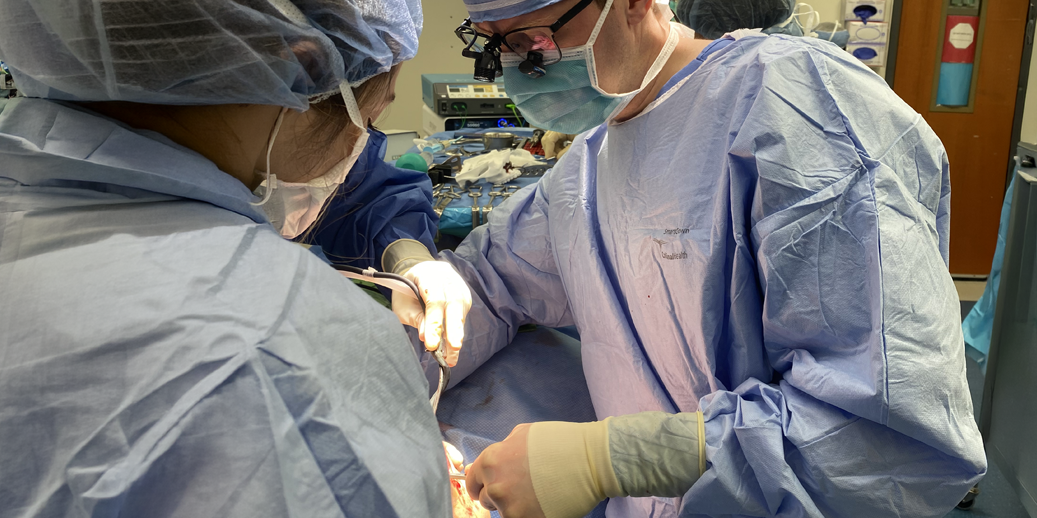
The New Face of Jaw Surgery
Modern digital planning tools have dramatically improved how surgeons approach jaw correction. With advanced imaging, virtual surgical planning and refined techniques, treatment can now be executed with greater accuracy and less disruption to surrounding tissues. For patients, that often means:
- Reduced recovery time
- Improved comfort
- Better functional and aesthetic outcomes
- Greater confidence in treatment acceptance
The shift toward minimally invasive techniques isn’t simply about doing “less surgery.” It’s about delivering more precise care with less overall burden on the patient.
One of the most important developments in orthognathic treatment planning is the growing recognition that jaw alignment and TMJ health cannot always be treated separately. In some patients, underlying temporomandibular joint pathology contributes directly to functional instability, pain or relapse risk. Correcting jaw position without addressing the joint itself may leave part of the problem unresolved.
That’s why combined approaches—addressing TMJ concerns at the same time as orthognathic surgery—are becoming increasingly important in carefully selected cases. The key is recognizing when the joint is part of the diagnosis, not just a secondary symptom.
Successful orthognathic treatment no longer happens in silos. Oral surgeons, orthodontists, restorative dentists, hygienists and administrative teams all play a role in guiding the patient journey—from diagnosis and treatment planning to education and post-operative care.
When communication breaks down between disciplines, treatment can become fragmented. But when teams collaborate effectively, patients experience a smoother process, clearer expectations, and better long-term outcomes.
The future of complex dental care is interdisciplinary by design.
As techniques continue to evolve, minimally invasive orthognathic surgery represents a larger shift happening across healthcare: more precision, more coordination, and more focus on the patient experience. Courses like this at the Southwest Dental Conference help dental professionals better understand not only the surgical advancements themselves, but also the decision-making and collaboration required to achieve lasting success. Because the best outcomes don’t come from treating structures in isolation—they come from treating the whole patient, together.
Minimally Invasive Orthognathic and When to Combine TMJ Surgery
Presenter: Andrew Arango, DDS, MD
Audience: D
Time: 10:00-11:30 a.m.
Fee: $30
Course #S21
CE Hours: 1.5 technical and/or scientific
AGD Subject Code: 310/370
REGISTER AT SWDENTALCONF.ORG
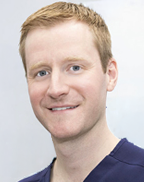
Dr. Andrew Arango is a board-certified Oral and Maxillofacial Surgeon who is uniquely qualified as both a licensed physician and a licensed dentist. This dual degree training allows him to provide comprehensive surgical care of the face, jaws, and oral cavity with an exceptional depth of medical and surgical expertise. He practices the full scope of oral and maxillofacial surgery, with a strong emphasis on orthognathic and reconstructive jaw surgery, obstructive sleep apnea surgery, and advanced temporomandibular joint (TMJ) reconstructive surgery.
Dr. Arango is nationally recognized for his work in TMJ surgery and joint replacement. He is among the top 10 percent of surgeons in the United States performing total temporomandibular joint replacements and is widely regarded as one of the leading private-practice TMJ surgeons in the country. In addition, Dr. Arango is the first surgeon in the nation to perform minimally invasive TMJ and jaw surgery techniques in a private practice setting, bringing cutting-edge surgical innovation to patients outside of large academic centers. His approach prioritizes precision, reduced surgical trauma, faster recovery, and improved long-term outcomes.