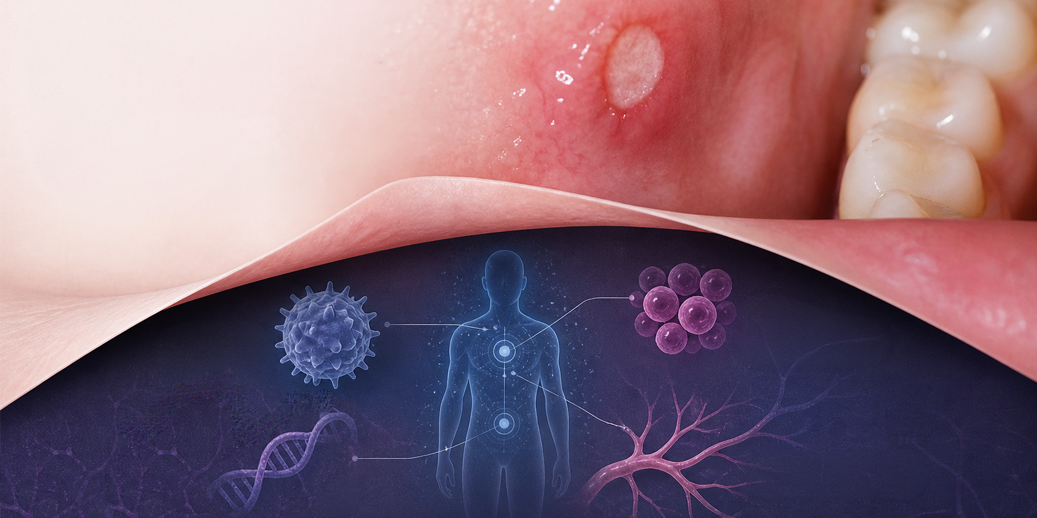
Autoimmune and Inflammatory Conditions of the Oral Cavity: What You Might Be Missing in Plain Sight
Not all oral lesions are created equal. Some resolve quickly with minimal intervention, while others linger, evolve, or resist standard treatment. Chronic ulcerations, mucosal changes, and unexplained inflammation can be early indicators of conditions that extend beyond the oral cavity.
The key is pattern recognition. Subtle differences in appearance, location, and patient history can shift your clinical thinking from routine care to something more investigative. Missing those cues can delay diagnosis—not just of oral conditions, but of broader health issues.
Connecting Oral Health to Systemic Disease
Autoimmune and inflammatory conditions often manifest in the mouth before a patient receives a formal medical diagnosis. This places dental professionals in a unique position: you may be the first to notice something isn’t right.
That responsibility comes with an opportunity—to guide patients toward timely care. But it also requires a deeper understanding of how and why these conditions develop.
When you can connect clinical presentation to underlying disease processes, your role shifts from observer to essential contributor in a patient’s overall healthcare journey.
Better Conversations, Better Outcomes
Patients are paying closer attention to their health and asking more informed questions. “What is this?” and “Why is it happening?” are no longer easy to sidestep.
Having a working knowledge of etiopathogenesis allows you to give clearer, more confident answers. It also helps patients feel reassured that their concerns are being taken seriously. That trust can directly impact whether they follow through with referrals, testing, or treatment.
Knowing What Comes Next
Recognizing a potential issue is only the first step. Deciding what to do next is where clinical confidence really matters. Should you monitor or act? When is a biopsy appropriate? Is this something to manage in-office, or does it require collaboration with a specialist? These decisions can feel high-stakes, especially when the presentation isn’t textbook.
A structured approach to diagnosis and management can remove much of that guesswork and lead to more consistent, effective care.
For dental professionals looking to strengthen their skills in this area, the Southwest Dental Conference provides this course on recognizing clinical manifestations, understanding disease processes, and navigating diagnosis and treatment options with greater confidence:
Autoimmune and Inflammatory Conditions of the Oral Cavity
Instructor: Paras Patel, DDS
Time: 8:00–11:00 a.m.
Fee: $55
Course #: F14
CE Hours: 3 (technical and/or scientific)
AGD Subject Code: 730
REGISTER AT SWDENTALCONF.ORG